
Your ads look like ads
UGC is someone paid to say yes. A street interview is a stranger meeting your product cold. It is the new format brands run ads with.
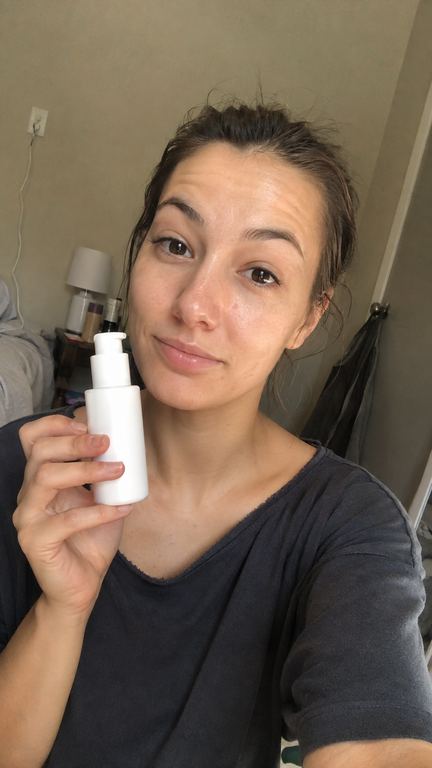
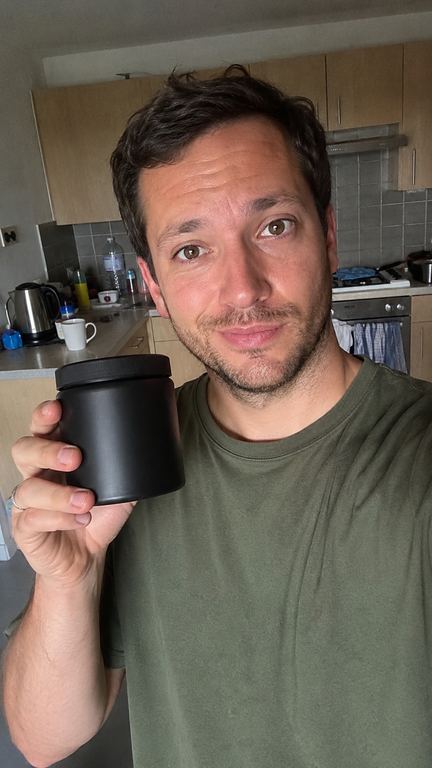
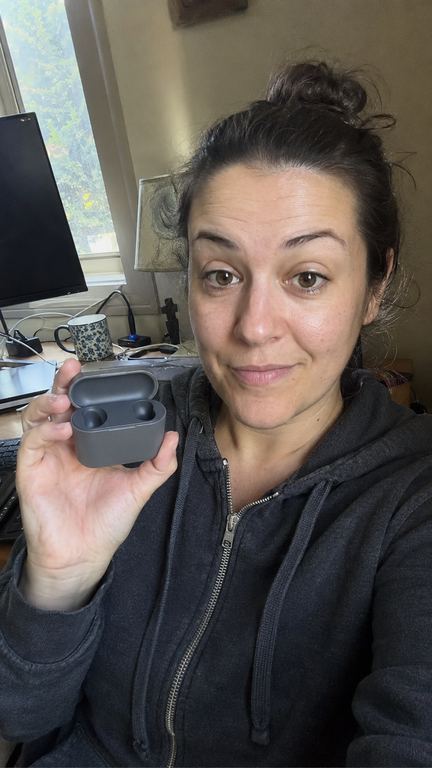
Different creators. Different scripts. Your buyer has already scrolled past all of them.
A street interview ad is a short video of a real exchange. Someone stops a member of the public, hands them your product, asks one question, and films the answer. That clip is the ad.
What you get
One day out with your product, whatever it is. Ten days later there is a month of paid social sitting in a folder.
The shoot day
A crew takes your product out and asks people about it on camera. A physical product, an app, a service. It all works the same.
The films
Every conversation that lands becomes its own film. Graded, subtitled, ready to run the day you get it.
The cuts
Each film is then re-hooked and re-framed for the placements you buy. One day feeds weeks of testing.
Why your ads stop working
You swapped the creator. You rewrote the hook. Two weeks later the numbers were back where they started. That is not bad luck, and it is not your script.
The same people keep seeing it
Your ad is not shown to new people forever. It goes back to the same ones, and each time it lands softer. First time they watch. Third time their thumb is moving before your first word plays.
So you keep buying new ones
Every new ad buys a few good weeks, then wears out like the one before it. Each replacement is a brief, a booking, a wait and an invoice. That is the treadmill, and it only speeds up.
They are sick of the setup, not your script
Your ad gets filed as advertising before the first word lands. Face centred, room behind, phone at arm's length. A viewer has seen that exact picture a thousand times and their thumb moves on reflex. Nothing you write inside that picture can undo it.
This is where the money is moving
This is a genuinely new format, not a new spin on an old one. Two years ago it was a novelty. It now runs as paid creative in fintech, in apps, in food, in beauty, in B2B software, and the brands who moved first are the ones with cheap attention right now.
It is a performance format
These are not brand films. They are built as scroll stoppers and cut into variants, so they go straight into the ad account you are already running.
The same footage posts itself
A street interview is native to the feed, so it works unpaid as well as paid. Most creative you buy can only do one of those.
Your category is probably empty
It has not saturated the way UGC did, because it needs a crew and a street. That is the barrier, and right now it is working for you.
Nobody believes a paid opinion
Discounted on sight
They know the creator was sent the product. They know there was a brief. The compliment is written off before it finishes, and the ad falls back on production value.
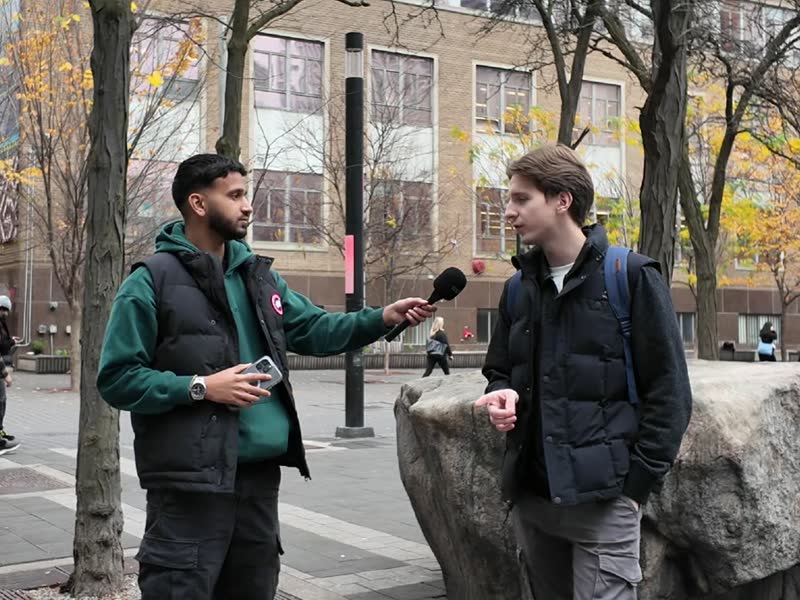
Nothing to discount
No deal to assume. No follower count to weigh. Put the product in front of someone who has never heard of it and the moment it lands shows on their face.
The work
Every clip came off a VentureX shoot day. Different products, one format.
Brands we have worked with










Three ways to get a video made
| Attribute | A UGC creator | An AI creator | A street interview |
|---|---|---|---|
| Where it is filmed | Their bedroom | A data centre | Outside, in public |
| Has held your product | No | Has no hands | Yes, on camera |
| Times your buyer has seen this setup | Hundreds | Thousands | Not yet |
| What it shows | Someone paid to like it | Nothing that happened | Somebody meeting it cold |
| Works as organic too | Rarely | No | Yes, it is the native format |
| Tells you what to say next | No | No | Yes, you hear the words back |
| Your competitor can copy it by Friday | Yes | By lunch | They would have to go outside |
How it works
- 01
The call
You show us the product and what you are running now. We tell you straight whether the format suits it.
- 02
The questions
The question is the creative. We write them so the answer is worth filming either way. You approve the five we take to the street.
- 03
The shoot day
A crew works two or three locations with your product. Everyone on camera signs a release and gets paid.
- 04
The cut
Every conversation that landed becomes a film. Each one is then re-hooked and re-framed for the placements you buy.
- 05
You get everything
Films, raws, releases and rights. You run them. If you would rather we ran them, ask on the call.
Two reasons people call us
Your winners burn out faster than you replace them
- You ship creative every week and the account still flattens.
- You have tested every hook on the same setup and run out of room.
- You need a format your audience has not seen, not a fresh variant of one they have.
You would rather not launch looking like everyone else
- Your first ads would otherwise be a founder talking into a phone.
- You have no creator roster, no reviews and no footage to cut from.
- One day gives you a starting library instead of three videos.
Questions
What actually is a street interview ad?
A short video of a real exchange. Someone stops a member of the public, hands them your product, asks one question, and films the answer. That clip is the ad.
Does this only work for tech products?
It works for anything a person can have an opinion about in ten seconds. A drink, an app, a clinic, a piece of software. The harder your product is to explain, the more the format earns its keep, because a stranger understanding it on camera does the explaining for you.
We already work with creators. Why change?
Two things broke at once. Rates went up, so a single creator post now costs what a shoot day used to. And the endorsement stopped landing, because there are so many creator ads in the feed that a name nobody knows carries no weight. A big name still moves people. The problem is a big name is priced like a media buy.
Somebody on the street sits closer to your customer than either one. They look like the person watching. That is who gets believed now.
What if people are negative about the product?
Then you have learned something worth more than the shoot cost, and the confused answers usually cut into the sharpest ad on the reel. The questions are written so that a no is still footage worth having.
How is this different from hiring a UGC creator?
A creator sells you their opinion. Your viewer discounts it, because they know it was paid for. This buys you somebody else's, formed on camera, from nothing. One is a recommendation. The other is evidence.
What does it cost?
We price the campaign, not the video. You bring the goal, we scope the shoot days and the cuts it takes to get there, and you get one number for all of it. Campaigns start around $2,000.
A single mid-tier creator post runs about the same. It comes back as one video. The campaign comes back as a library.
Book a call or contact us
Thirty minutes on a call if you want to talk it through. A short form if you would rather put it in writing.
Book the call
Bring the product and the ads you are running now. You leave knowing whether this is worth building.
Or send an inquiry
Tell us what you sell and what you are running. We come back with whether the format fits and what we would shoot.
Rather not use a form? Email Info@venture-x.ca instead.